U.S. container imports increased in July, with volumes remaining well above pre-pandemic levels despite continuing tariff uncertainty and disruption across major shipping routes.
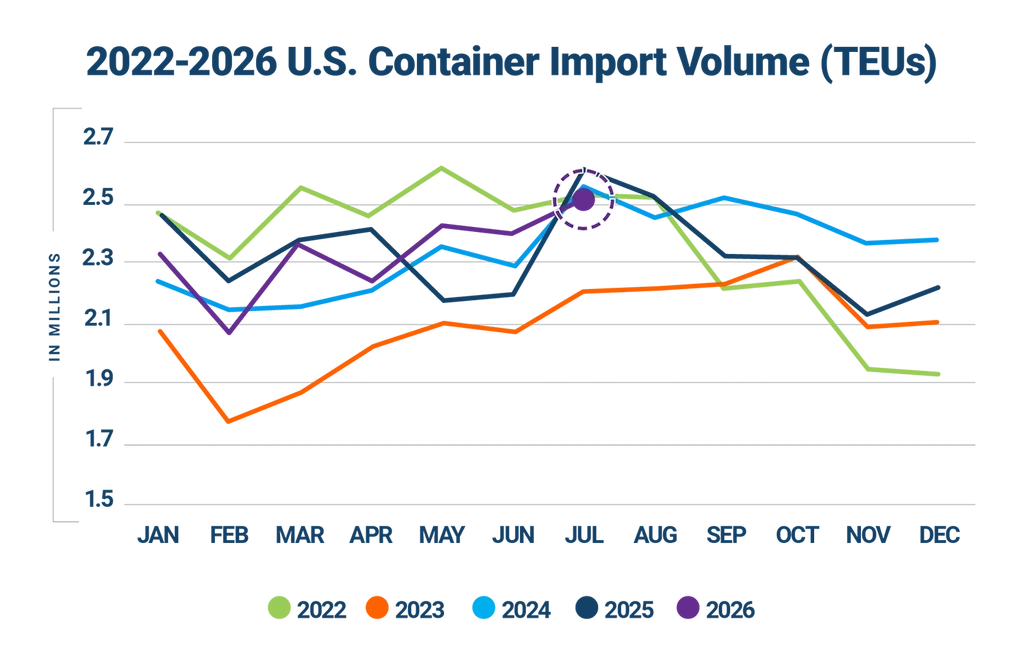
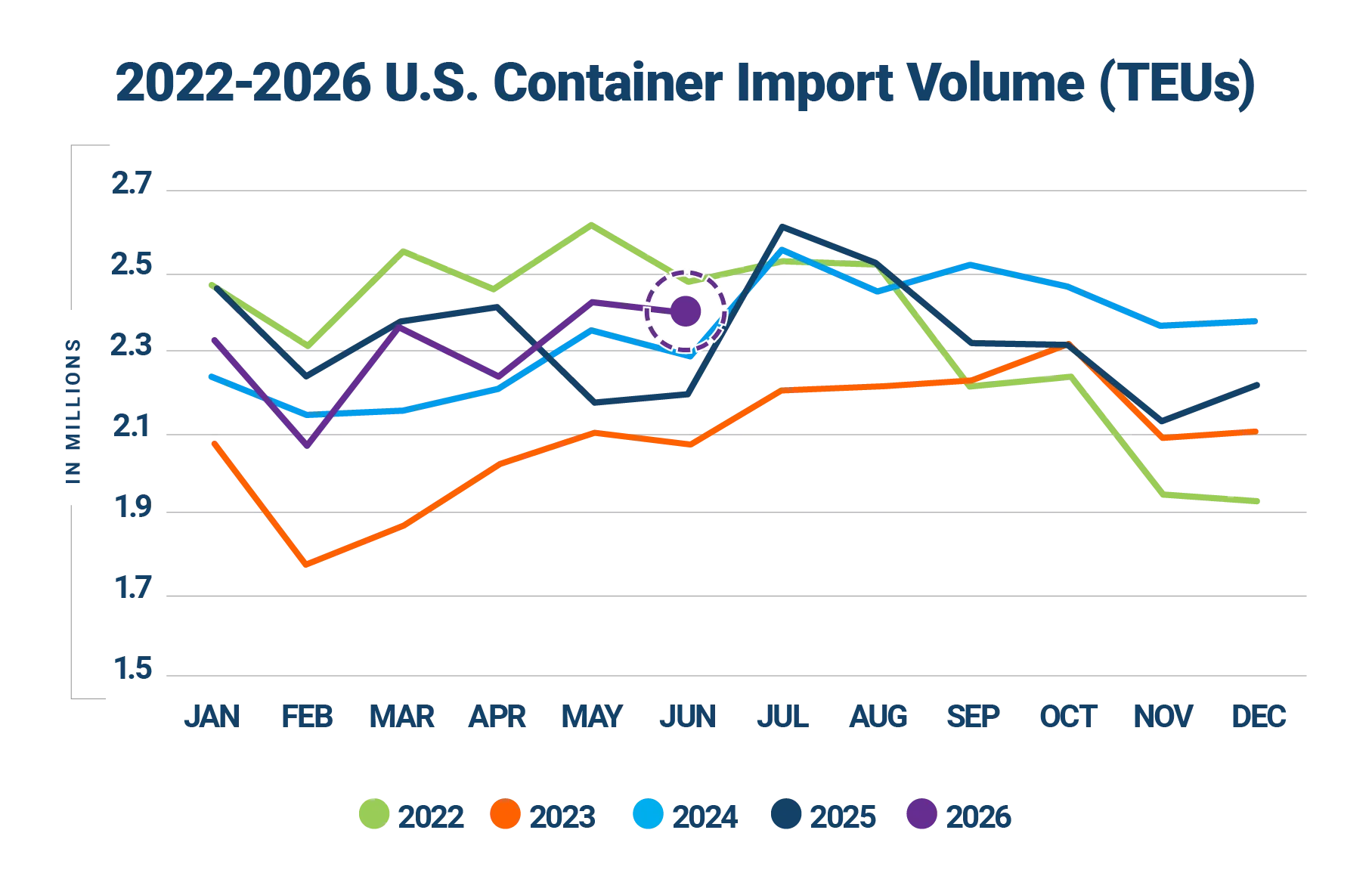
U.S. containerized imports reached 2.51 million TEUs in July 2026, up 4.5% from June but 4.3% below the unusually strong level recorded a year earlier.
For the first seven months of the year, volumes were down just 0.9% year-on-year. Compared with July 2019, however, imports were 14.1% higher, highlighting the underlying resilience of U.S. import demand.
China was a major contributor to the monthly increase. China-origin imports climbed 7.2% to 873,129 TEUs, their highest monthly level since July 2025, although volumes remained 5.4% below last year’s level. China’s share of total U.S. container imports consequently increased to 34.8%.
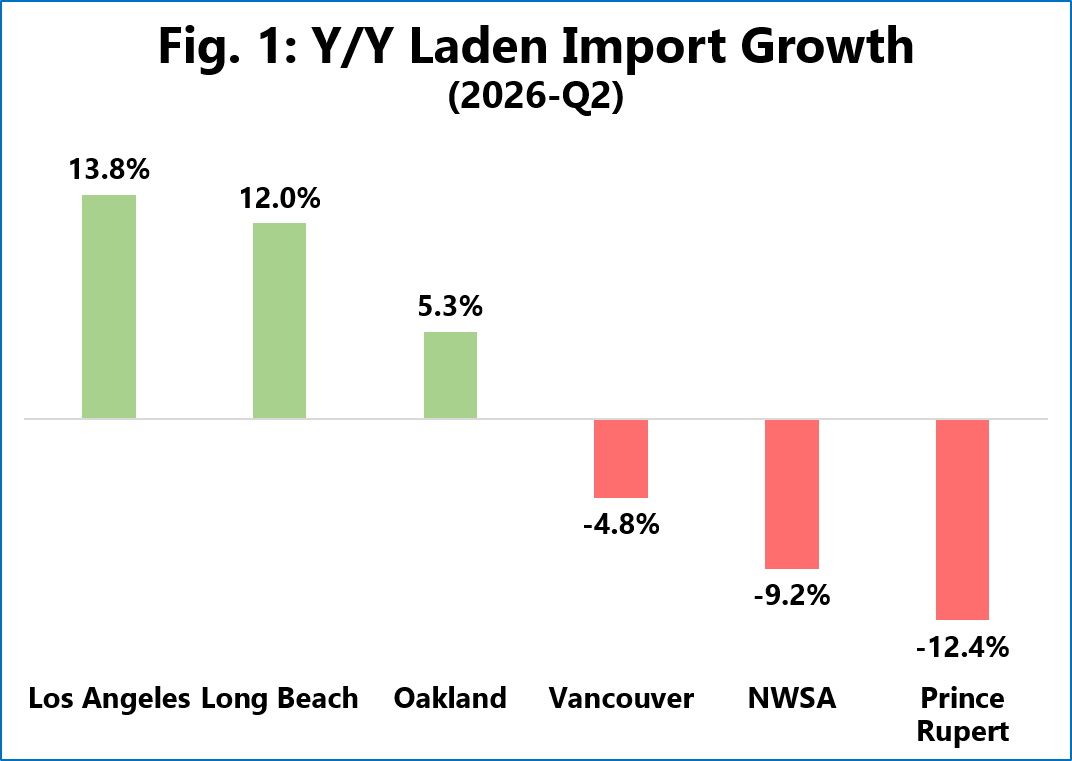
Activity also strengthened at several major gateways. Long Beach recorded the largest monthly increase among the top 10 U.S. ports, with volumes rising 15.8%, while Houston increased 19.9%. West Coast ports increased their overall share of U.S. container imports to 45%, continuing to attract a larger proportion of inbound cargo.
The stronger volumes come against a complicated operating environment. Port transit delays increased at most major U.S. gateways during July, although there were no indications of widespread congestion.
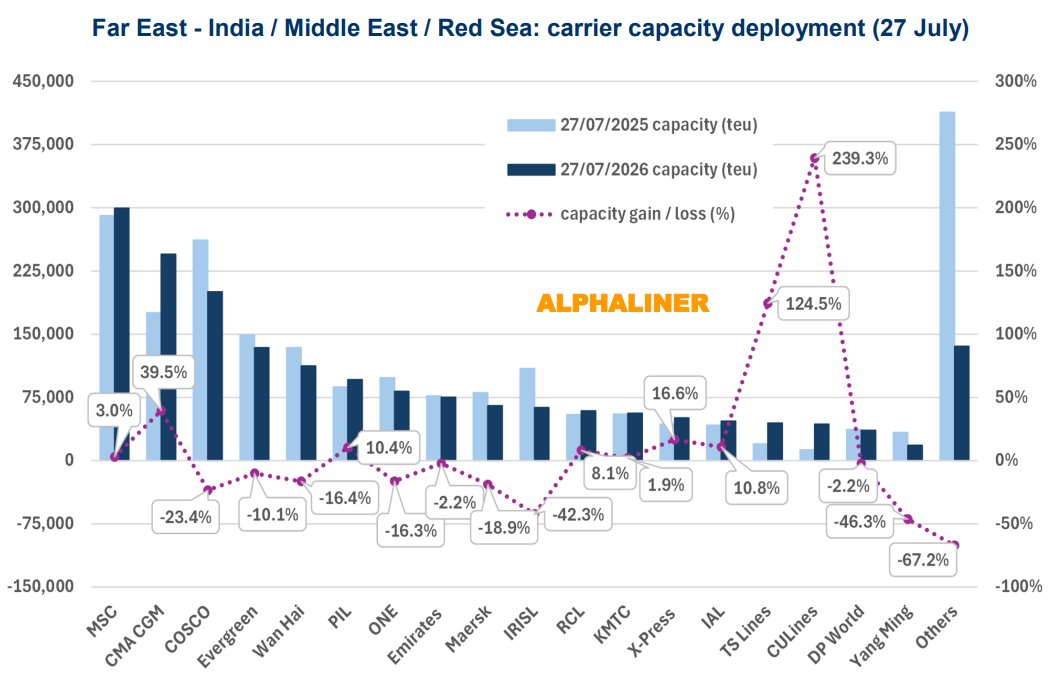
Meanwhile, tariff changes, tighter Panama Canal draft restrictions and continuing disruption around the Red Sea and Strait of Hormuz are influencing routing, freight costs and sourcing decisions.
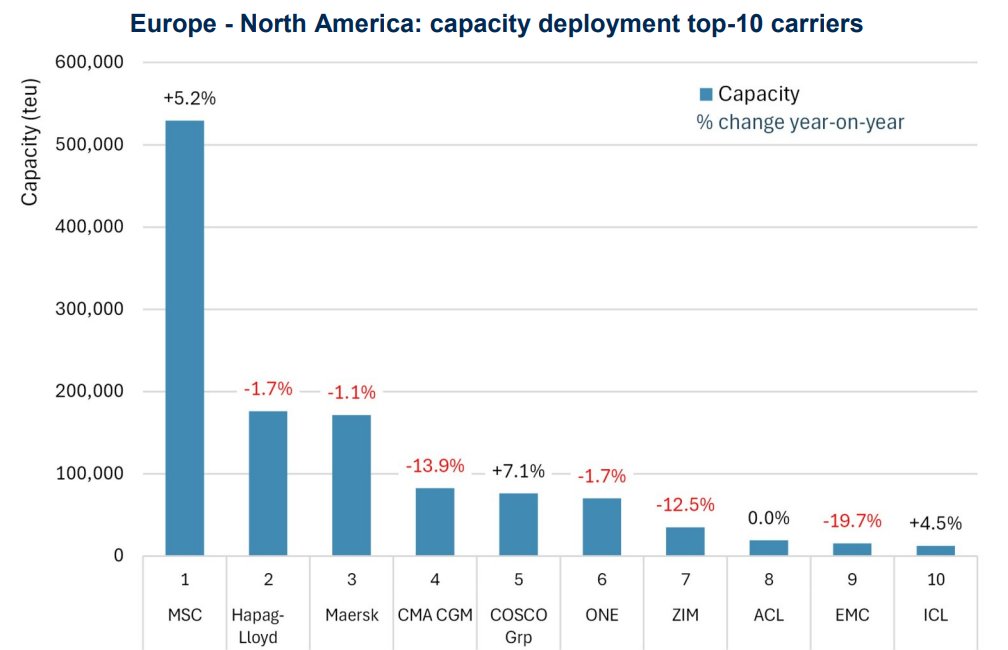
Longer diversions around the Cape of Good Hope continue to absorb vessel capacity, contributing to higher costs and greater schedule variability. Panama Canal draft restrictions could also affect vessel loading and capacity on all-water Asia-to-U.S. East and Gulf Coast services.
For container shipping, July therefore presents a mixed picture: seasonal U.S. demand remains resilient, but trade policy and maritime disruption continue to complicate the outlook for the remainder of 2026.
Source: Descartes Global Shipping Report / Descartes Datamyne