
Premium maritime & shipping intelligence for market professionals
Curated reports, white papers, studies, and presentations from leading shipping economists, market analysts, research organisations, and industry experts.
Full access is available to premium subscribers.
Start with a FREE 30-day trial — cancel anytime.
Gain instant access to our premium library of 2,200+ maritime and shipping reports, white papers, and industry presentations, with new content added every week.
Subscribers use Global Maritime Hub to stay informed, benchmark market views, and save hours of research time — with trusted insights all in one place.
Already a subscriber ? Log in
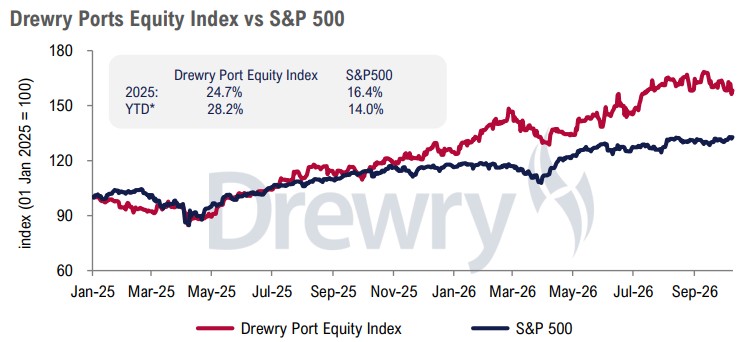
Global port throughput growth is forecast to slow to 2.8% in 2026, down from 6.4% in 2025, as geopolitical disruptions and weaker cargo volumes affect container terminals. Growth is expected to recover to 5.6% in 2027, supported by improving conditions in the Middle East and other major shipping regions. Despite slowing activity, port operators have demonstrated financial resilience. Across the […]
FREE TRIAL
Already a subscriber ? Log in
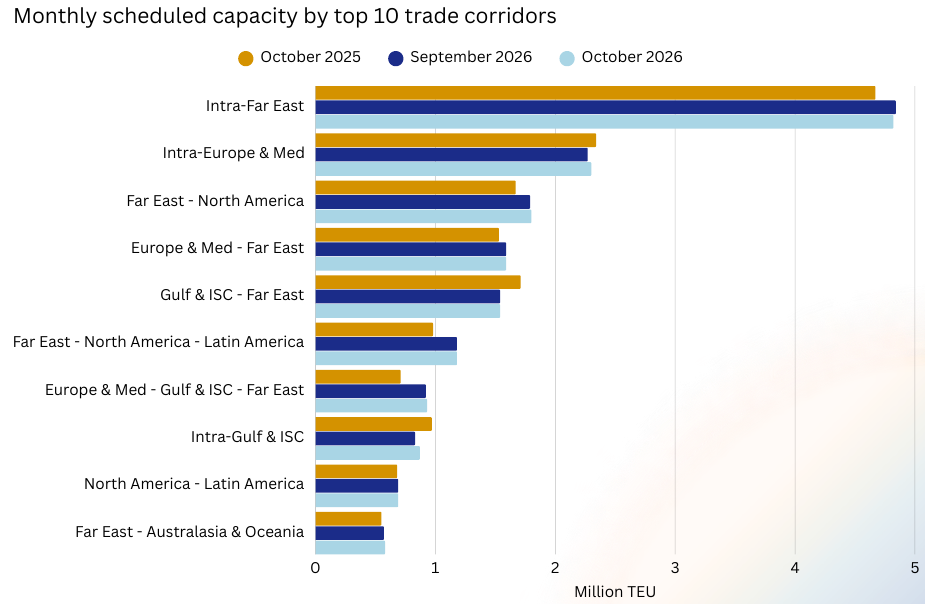
Container shipping capacity reached 21.4 million TEU in scheduled deployments in October 2026, up 1% year on year, as shipping lines continued to adjust their networks across major trade corridors. Growth was particularly strong on selected Asia-linked routes, while Gulf and Indian Subcontinent services experienced significant reductions in capacity. The global containership fleet now stands at 32.8 million TEU, with […]
FREE TRIAL
Already a subscriber ? Log in
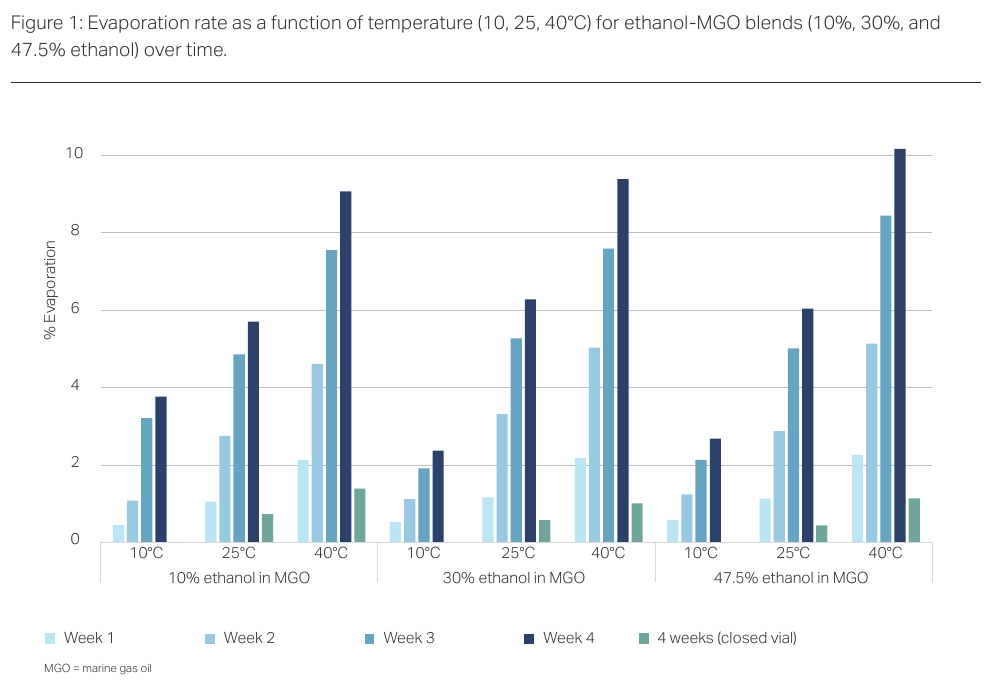
Ethanol as a marine fuel is emerging as a promising alternative for shipping, with new research demonstrating its technical compatibility with engines designed for methanol operation. Ethanol offers higher energy density than methanol, potentially reducing onboard storage requirements, while successful engine trials suggest that existing methanol-capable vessels could accommodate ethanol with relatively limited modifications. For conventional diesel-powered vessels, ethanol blended […]
FREE TRIAL
Already a subscriber ? Log in
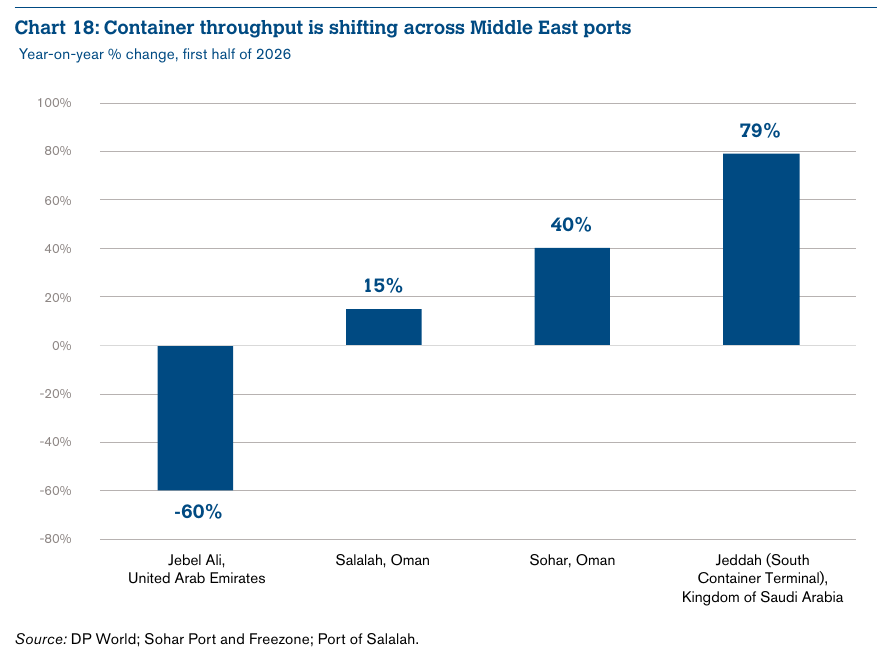
The global trade outlook has improved significantly, with world merchandise trade volumes now forecast to grow by 3.9% in 2026, up from an earlier projection of 1.9%. Strong investment in artificial intelligence and digital infrastructure is supporting international trade, despite continuing disruptions to maritime transport caused by the Middle East conflict. Shipping markets are experiencing substantial changes as vessels and […]
FREE TRIAL
Already a subscriber ? Log in
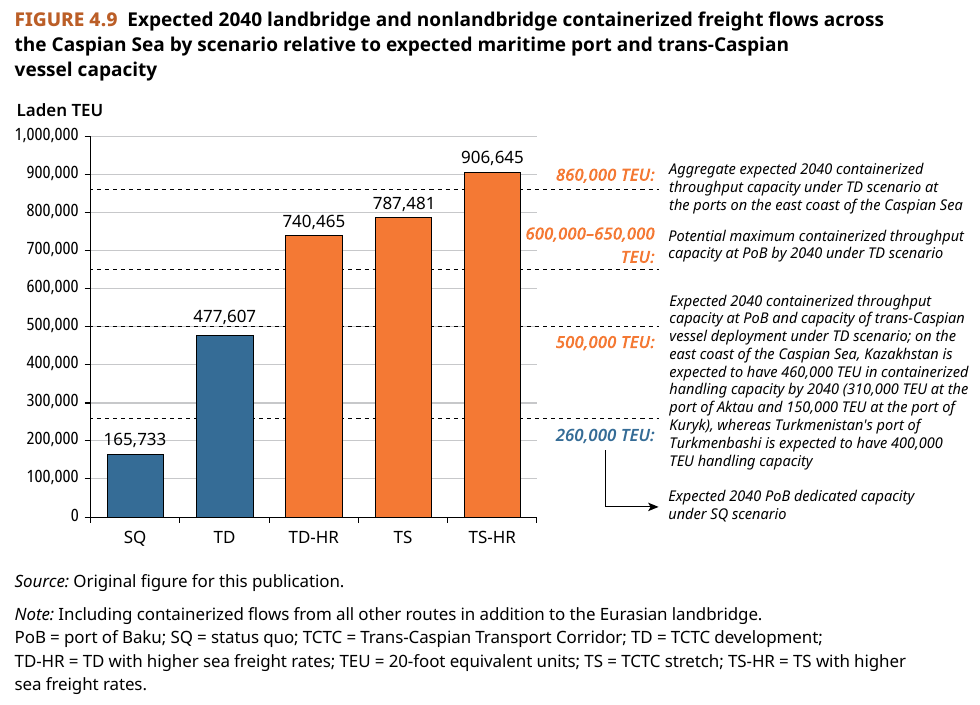
The Trans-Caspian Corridor, also known as the Middle Corridor, is emerging as an increasingly important trade route connecting Asia and Europe through Central Asia, the Caspian Sea and the South Caucasus. Its development offers opportunities to diversify international freight routes, strengthen supply chain resilience and expand regional trade, but significant infrastructure and operational constraints continue to limit its potential. The […]
FREE TRIAL
Already a subscriber ? Log in
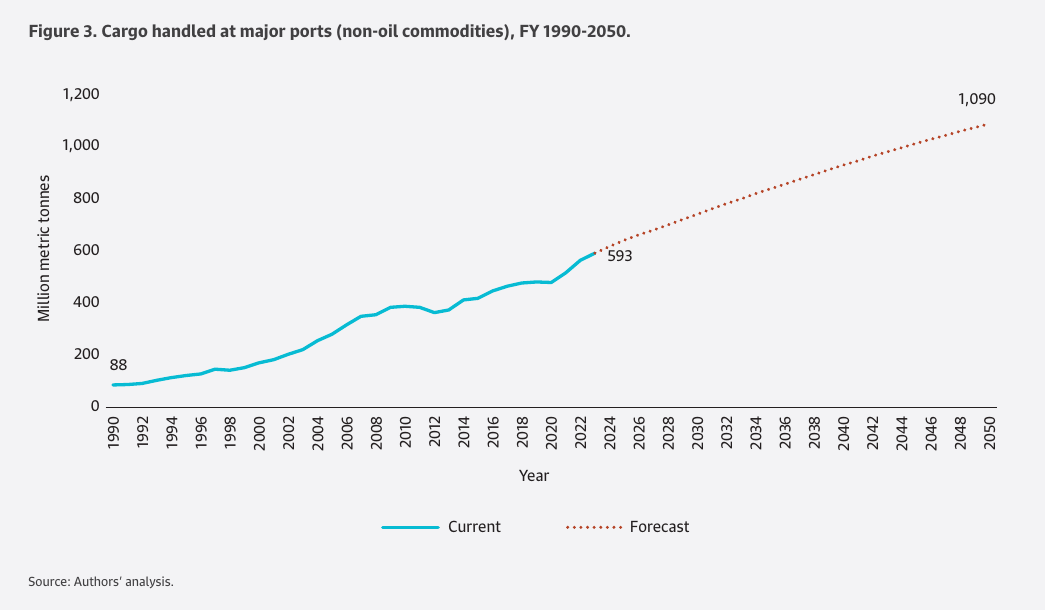
India maritime trade is expected to expand significantly over the coming decades, with non-oil cargo handled at the country’s major ports projected to increase from 593 million tonnes in 2023 to 1.09 billion tonnes by 2050, an 84% rise. This growth will increase pressure on port capacity, cargo-handling infrastructure and maritime energy requirements, reinforcing India’s growing importance in international shipping. […]
FREE TRIAL
Already a subscriber ? Log in
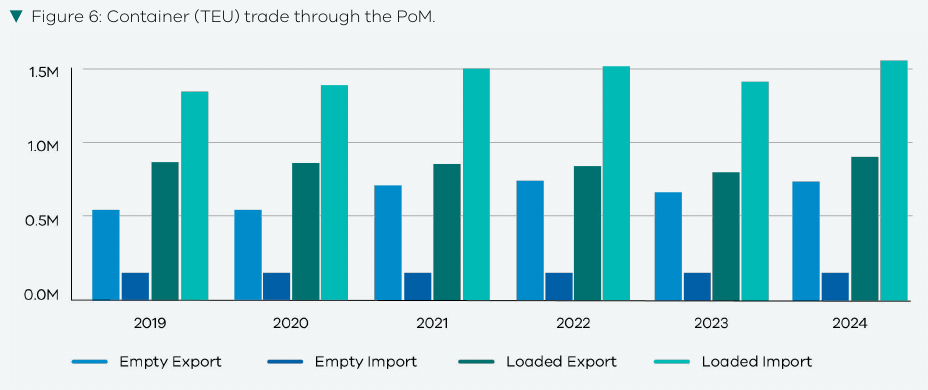
Container trade through the Port of Melbourne increased by 14.7% between 2019 and 2024, reaching 3.4 million TEU, according to a new study examining Victoria’s container logistics network. The report analyses changing import and export patterns, container movements, truck productivity, rail freight and port operations. It highlights the growing concentration of import containers in Melbourne’s western logistics corridors, improvements in […]
FREE TRIAL
Already a subscriber ? Log in
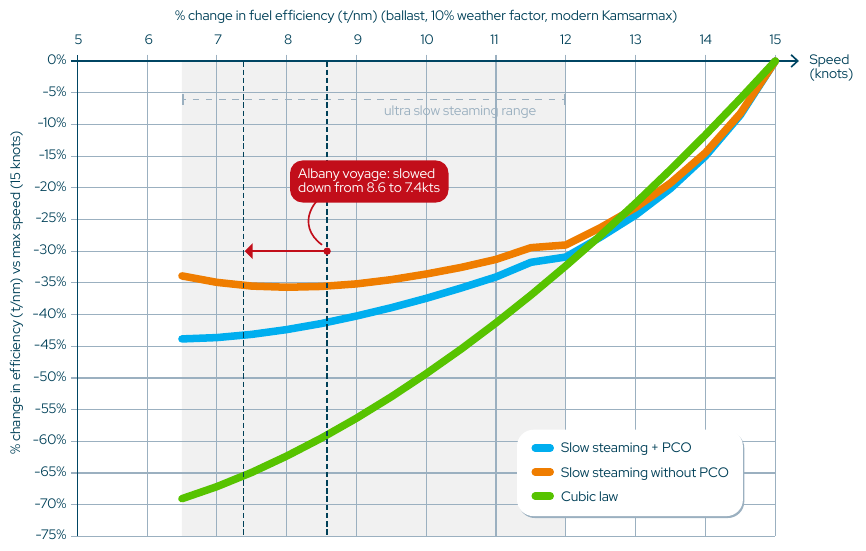
Port call optimisation can significantly reduce shipping fuel consumption and emissions by allowing vessels to adjust their speed and arrive when berths become available, rather than waiting at anchor. A study of 16 commercial voyages across three ports in Brazil and Australia demonstrates the potential benefits. At Santarém in Brazil, estimated emissions savings reached 222 tonnes of CO₂ across ten […]
FREE TRIAL
Already a subscriber ? Log in
Supply chain resilience is becoming a central priority for businesses navigating geopolitical uncertainty, changing trade policies and disruptions to international transport networks. A new survey of 103 Chief Supply Chain Officers across 14 markets and nine industries reveals that 84% believe resilience and flexibility have overtaken cost reduction as the main drivers of supply chain strategy. Meanwhile, 90% report that […]
FREE TRIAL
Already a subscriber ? Log in