Drewry warns of growing dislocation between freight rates and charter markets, suggesting the current surge in chartering is unsustainable. Shipping lines and asset owners should brace for a cooling phase ahead.
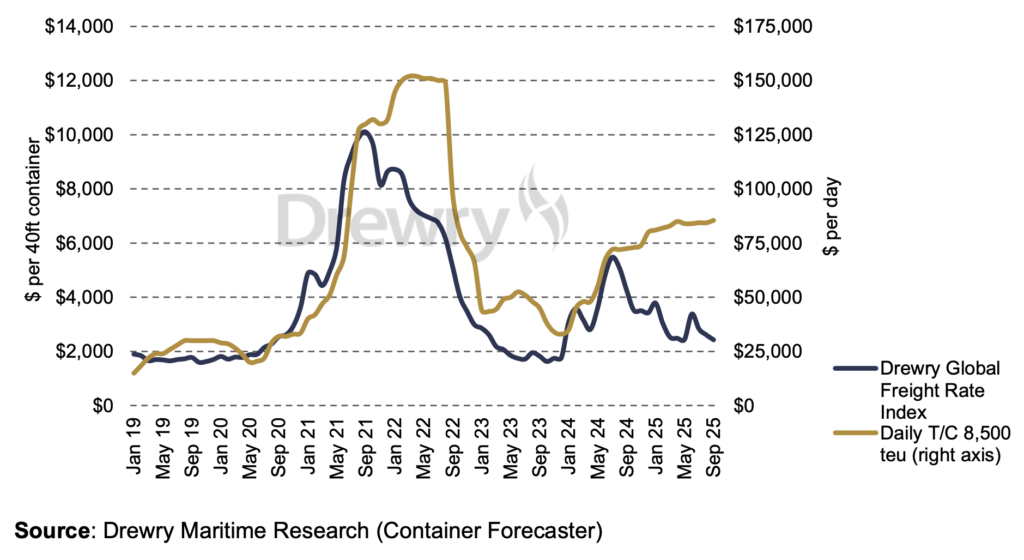
The container shipping market is currently experiencing a striking tension: while freight rates remain elevated, charter markets are showing signs of overheating. According to Drewry, this disconnect may not last.
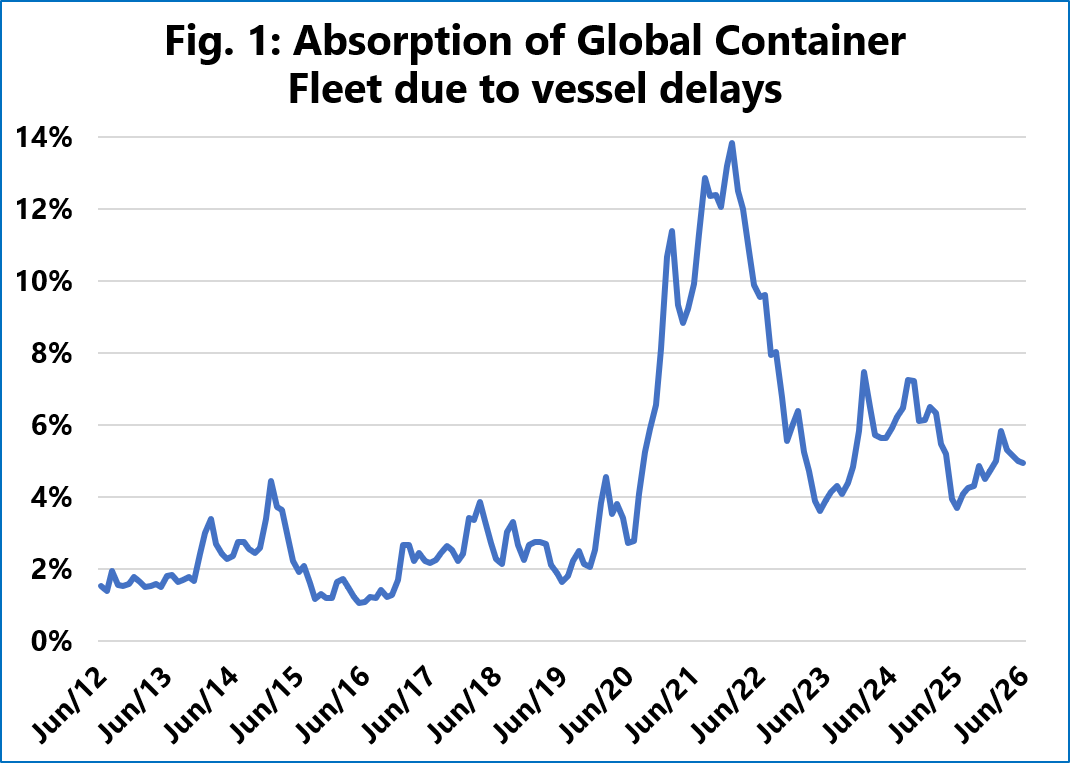
Over the past five years, charter rates have surged as vessel demand soared and shipping lines faced capacity constraints. But Drewry argues that structural pressures — including overordering, vessel idling risk, and financing constraints — now point toward a correction phase.
From the shipping industry’s perspective, the correction could have several implications:
Lease and charter costs normalize, easing upward pressure on liner operating costs.
Asset owners’ returns may be squeezed, especially for newer tonnage that commanded premium charter levels.
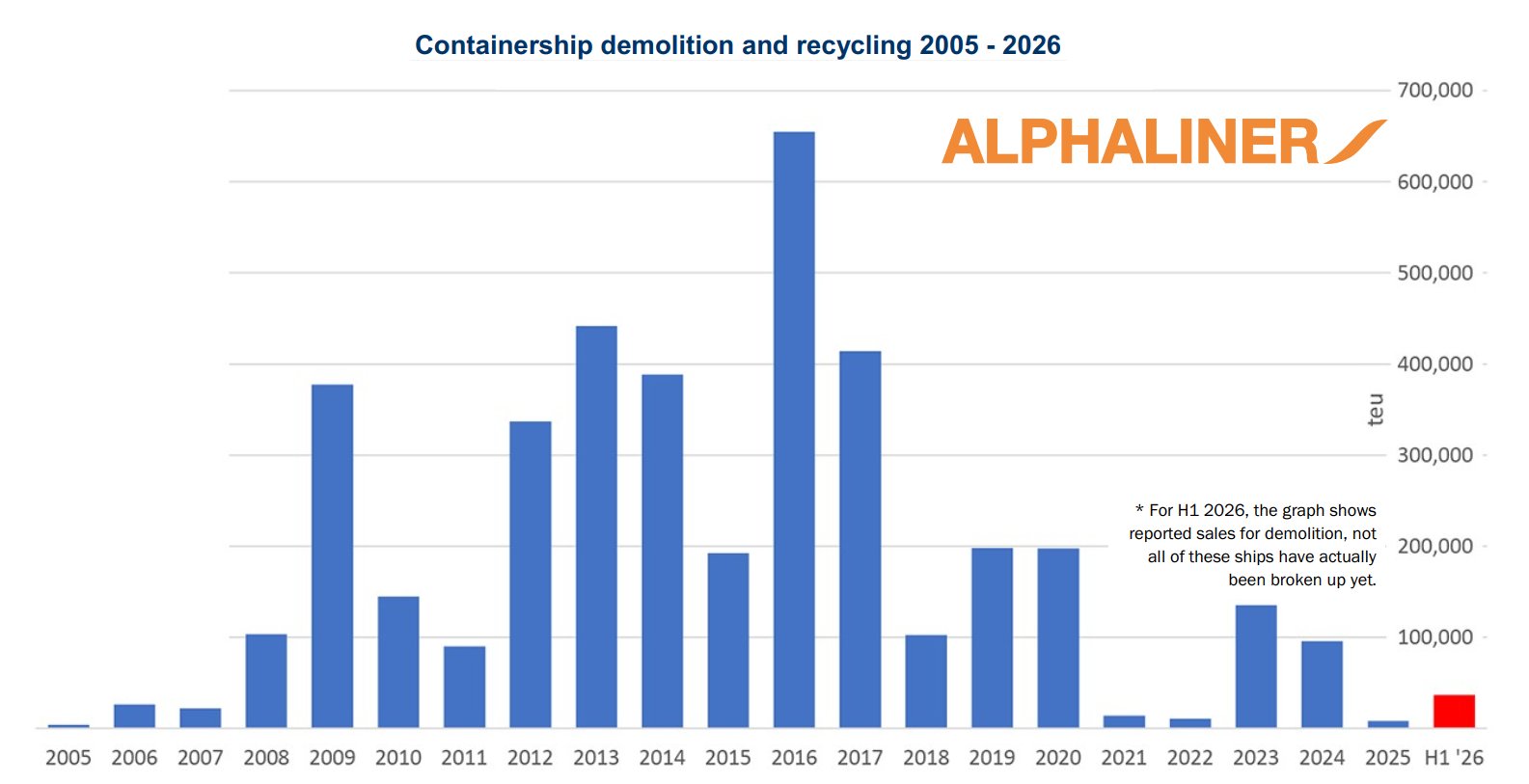
Increased scrapping or idling risk if earnings fall faster than expectations.
Greater negotiating leverage for shippers, particularly in the contract / time-charter market, as risk shifts.
Pressure on secondary markets / resale values, which built in optimism on sustained high charter levels.
Drewry forecasts that the correction won’t necessarily be abrupt — it may unfold over 2026 as the charter markets recalibrate to a more sustainable balance.
For shipping stakeholders, the core takeaway is: the charter boom may not last as long as many expect. The time to hedge downside risk, revisit long-term charter commitments, and stress-test fleet economics is now.
We use cookies on our website to give you the most relevant experience by remembering your preferences and repeat visits. By clicking “Accept”, you consent to the use of ALL the cookies.
This website uses cookies to improve your experience while you navigate through the website. Out of these, the cookies that are categorized as necessary are stored on your browser as they are essential for the working of basic functionalities of the website. We also use third-party cookies that help us analyze and understand how you use this website. These cookies will be stored in your browser only with your consent. You also have the option to opt-out of these cookies. But opting out of some of these cookies may affect your browsing experience.
Necessary cookies are absolutely essential for the website to function properly. This category only includes cookies that ensures basic functionalities and security features of the website. These cookies do not store any personal information.
Any cookies that may not be particularly necessary for the website to function and is used specifically to collect user personal data via analytics, ads, other embedded contents are termed as non-necessary cookies. It is mandatory to procure user consent prior to running these cookies on your website.