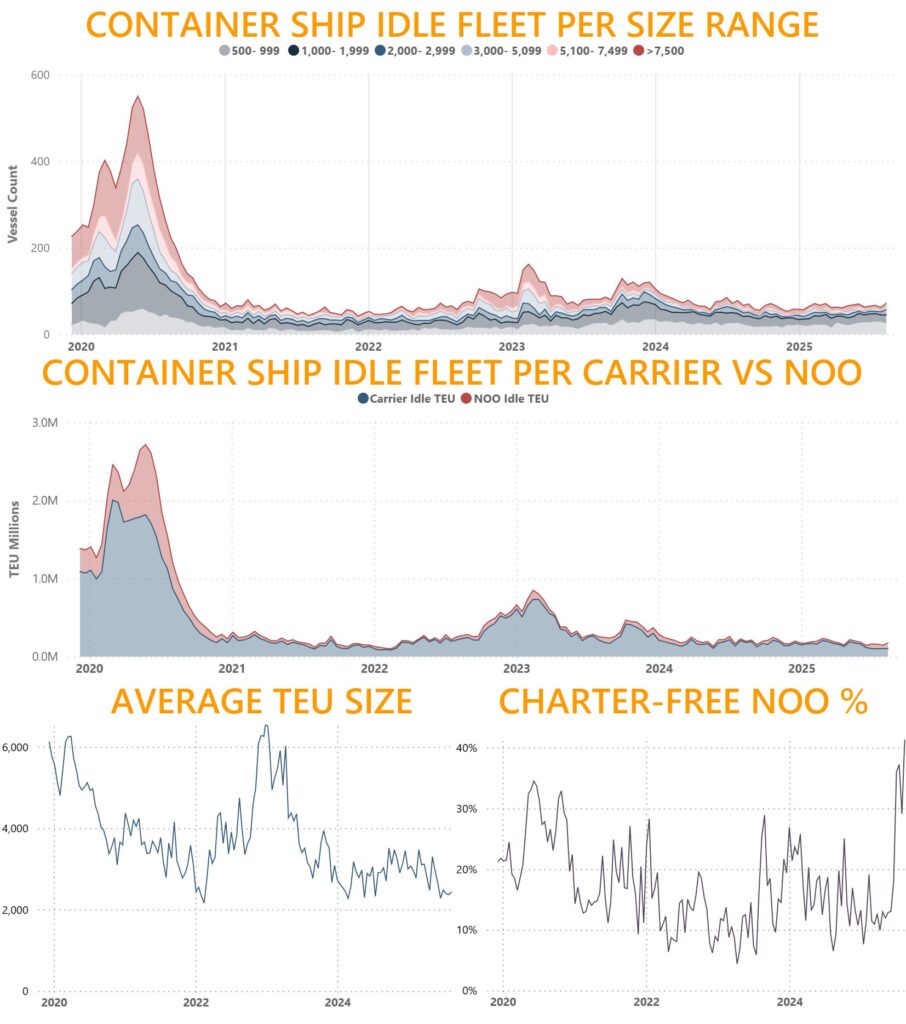
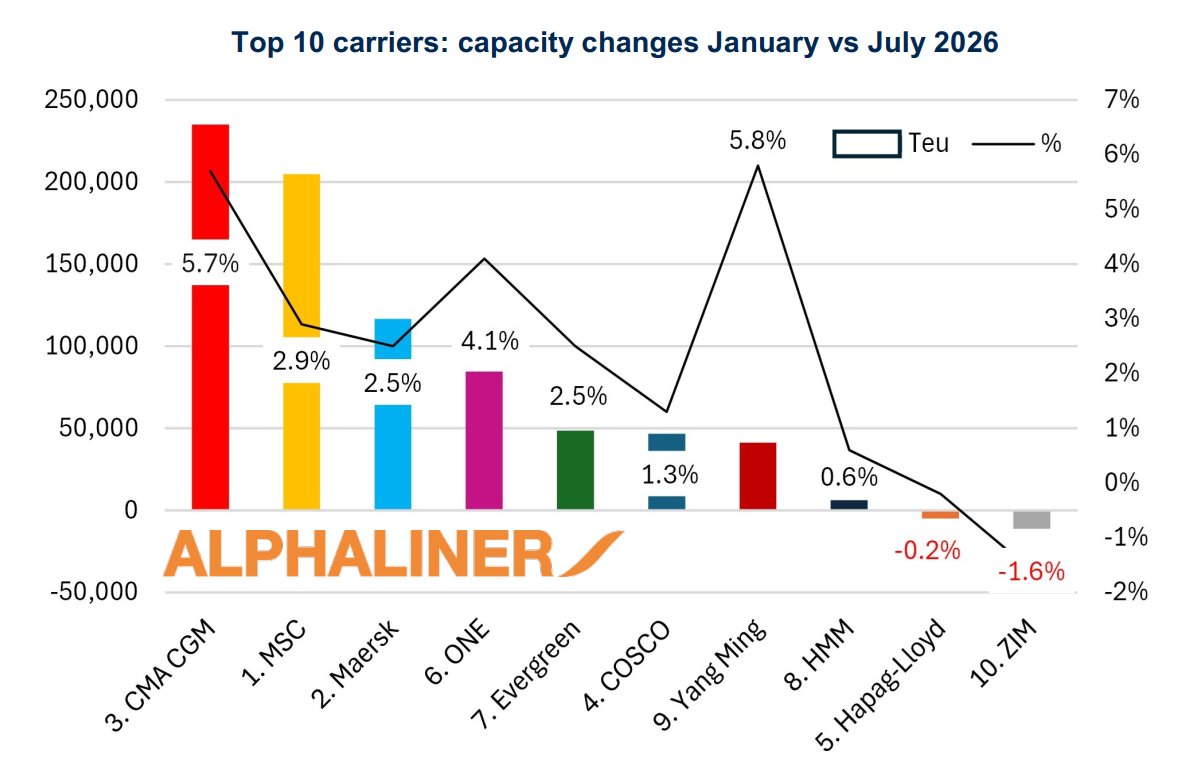
Alphaliner’s mid-August survey showed a very slight increase of 28,000 TEU in the ‘commercially idle’ container ship fleet over the past fortnight. Despite some erosion in spot freight rates since June, as reflected by the SCFI, FBX, and KOBC indices, idling remains exceptionally low at just 0.5% of the global 32.5 MTEU liner fleet.
With such minimal idling, the sector is considered ‘fully employed,’ with no evidence of ‘structural idling.’ The few observed cases are purely operational, such as vessels waiting between assignments or re-entering service after drydock.
The slight increase is further muted by the fact that a significant portion of newly idled capacity results from geopolitical factors rather than commercial decisions. This includes approximately 20,000 TEU of vessels recently blacklisted by the U.S. Office of Foreign Assets Control (OFAC).
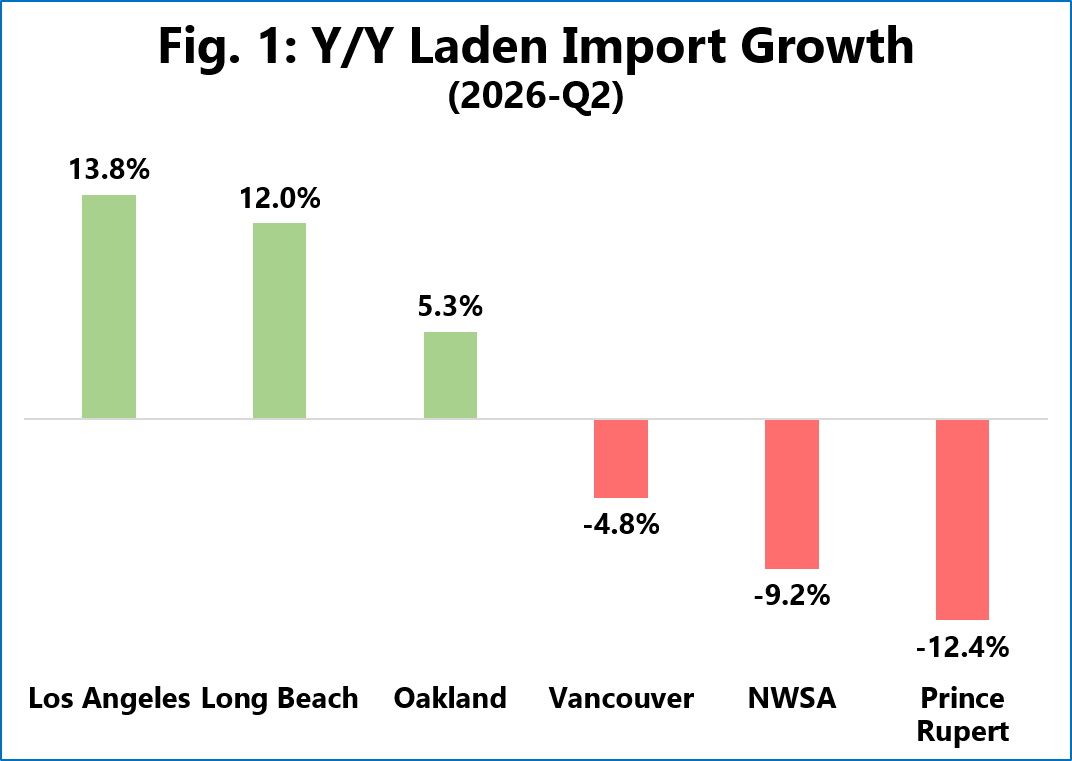
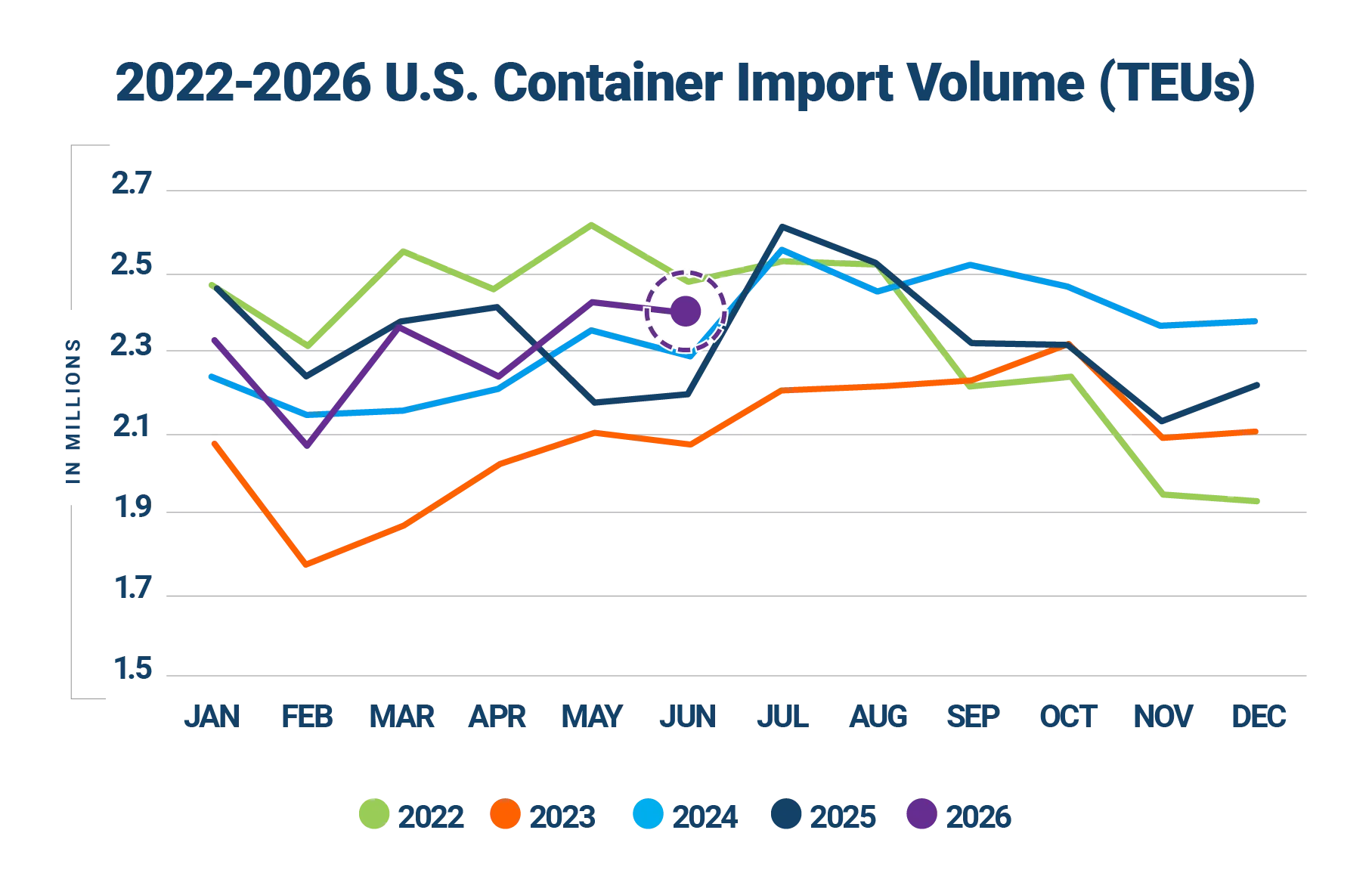
Following a period of front-loading ahead of the now-extended pause in implementing U.S.-China tariffs, the market is expected to face muted cargo demand—particularly in the Transpacific trade—despite it being the traditional peak season.
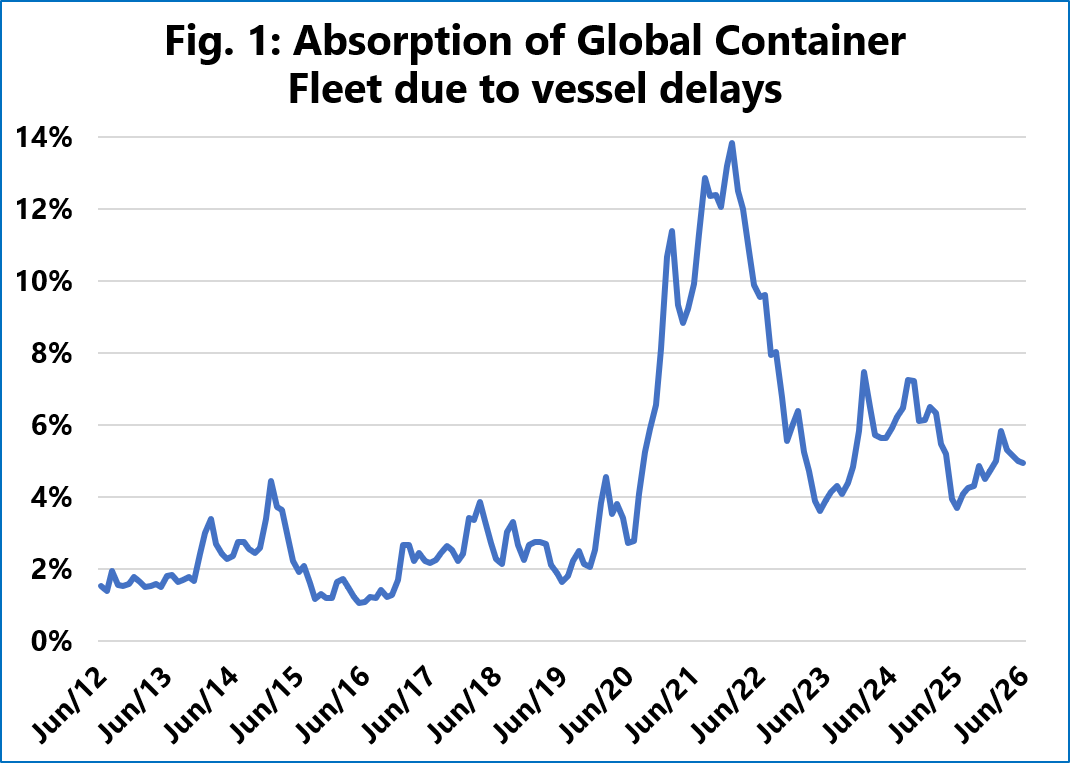
While the low idle fleet figures can be attributed to several ongoing global disruptions that are effectively absorbing millions of TEU slots, there will come a point when these disruptions are no longer sufficient to absorb excess tonnage.
We use cookies on our website to give you the most relevant experience by remembering your preferences and repeat visits. By clicking “Accept”, you consent to the use of ALL the cookies.
This website uses cookies to improve your experience while you navigate through the website. Out of these, the cookies that are categorized as necessary are stored on your browser as they are essential for the working of basic functionalities of the website. We also use third-party cookies that help us analyze and understand how you use this website. These cookies will be stored in your browser only with your consent. You also have the option to opt-out of these cookies. But opting out of some of these cookies may affect your browsing experience.
Necessary cookies are absolutely essential for the website to function properly. This category only includes cookies that ensures basic functionalities and security features of the website. These cookies do not store any personal information.
Any cookies that may not be particularly necessary for the website to function and is used specifically to collect user personal data via analytics, ads, other embedded contents are termed as non-necessary cookies. It is mandatory to procure user consent prior to running these cookies on your website.