Container shipping rates remain elevated despite a two-week US-Iran ceasefire, as disruption in the Strait of Hormuz continues to impact global supply chains.
Analysis from Xeneta indicates that container shipping rates remain elevated despite a two-week US-Iran ceasefire, with disruption in the Strait of Hormuz continuing to impact global supply chains.
While the agreement provides a short window for limited transits, carriers are maintaining a cautious approach and continuing to rely on alternative routings.
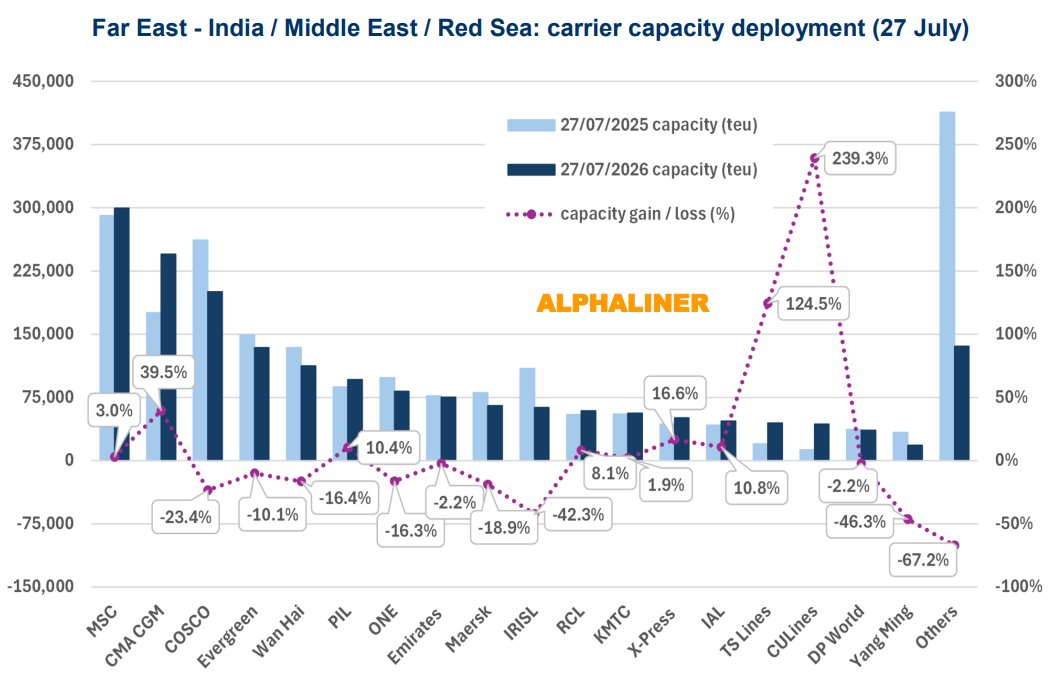
According to Xeneta, the conflict has displaced around 250,000 TEU of weekly capacity, forcing carriers to establish new logistics chains via regional landbridges and alternative ports. These adjustments are unlikely to be reversed quickly, even if stability improves in the near term.
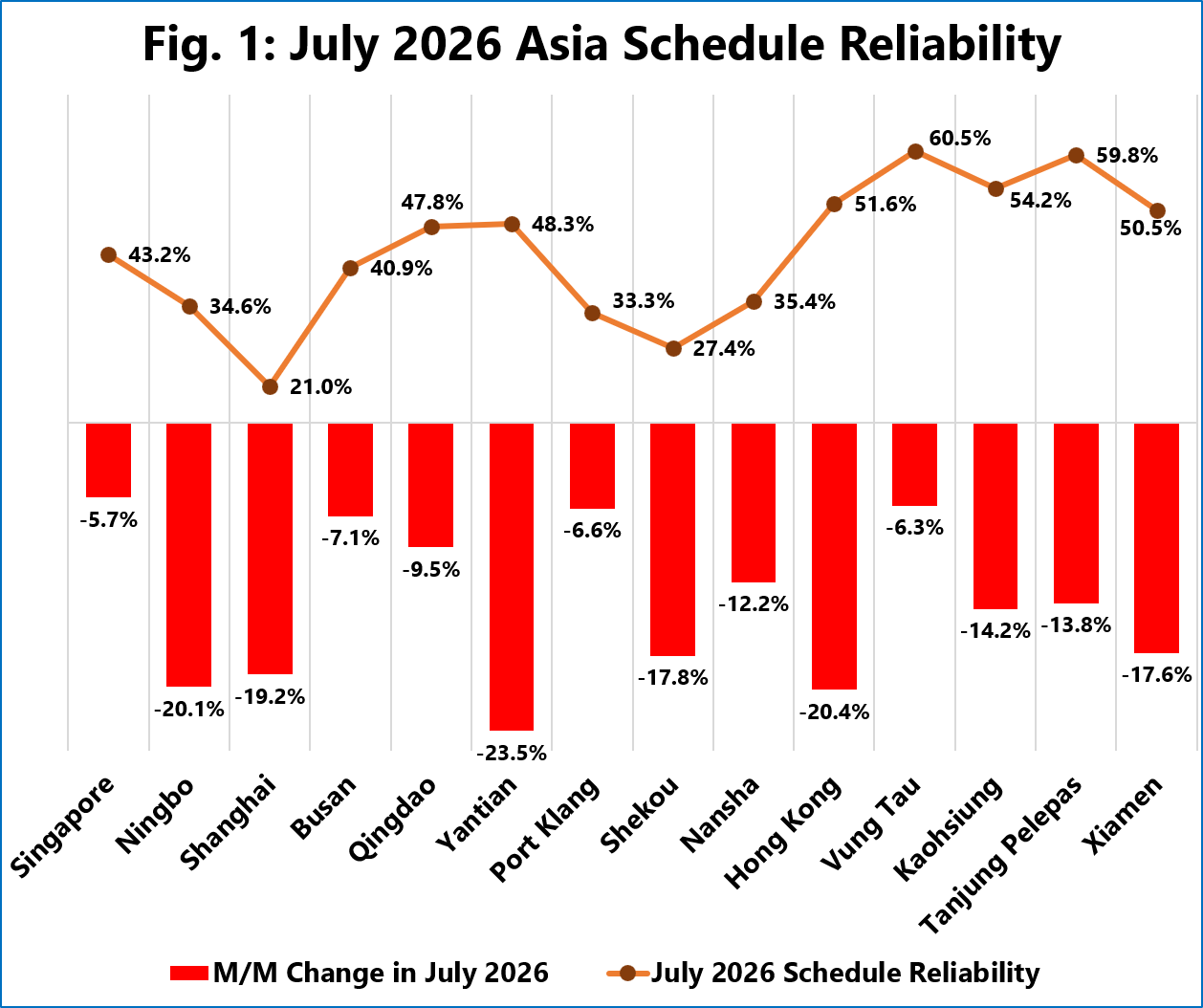
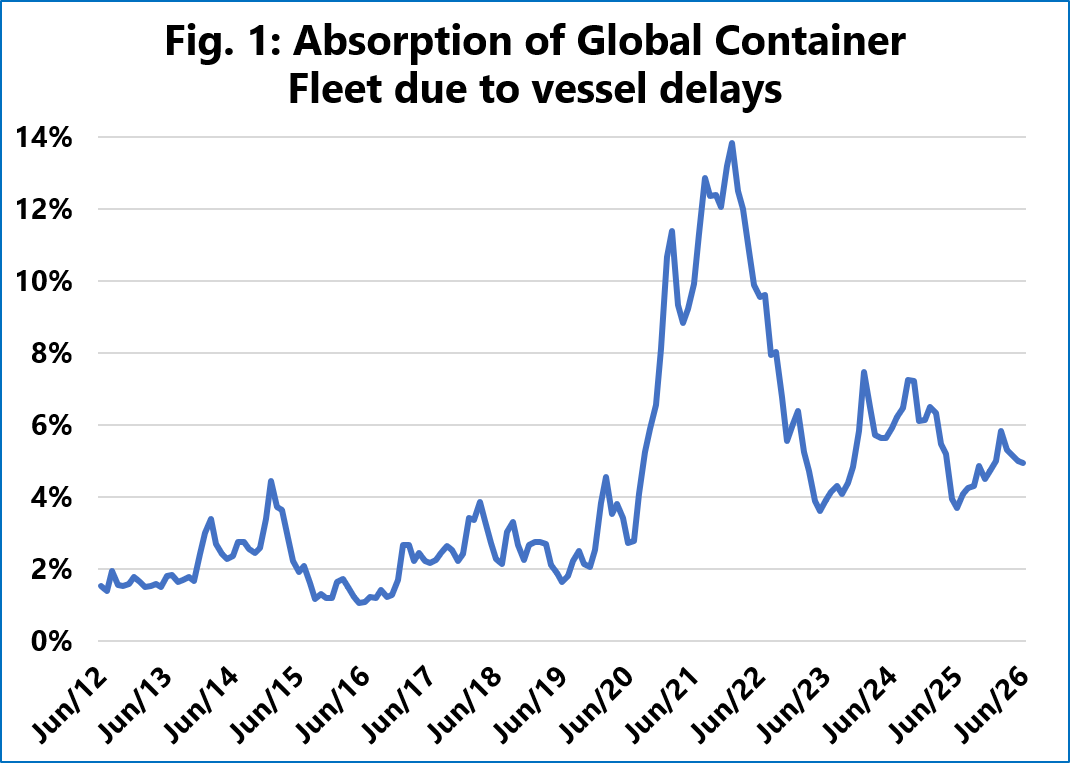
Congestion remains widespread across key hubs linked to these alternative routes, particularly in the Middle East and South Asia. Increased volumes and disrupted schedules are continuing to impact port operations and extend transit times across multiple trade lanes.
Freight rates have risen sharply as a result. Shipments from Asia into the Gulf have seen significant increases compared to pre-conflict levels, while knock-on effects are also being felt on long-haul routes such as Asia–US West Coast due to congestion at major transshipment hubs.
Xeneta also highlights ongoing uncertainty around access to the Strait of Hormuz, including potential operational constraints and cost implications, which could delay a full return to normal routing patterns. As a result, container shipping markets are expected to remain volatile, with elevated rates persisting in the near term.