US container ports continued to handle resilient import volumes in June 2026, even as shipping markets faced growing uncertainty from geopolitical tensions, evolving U.S. trade policy and ongoing supply chain disruptions.
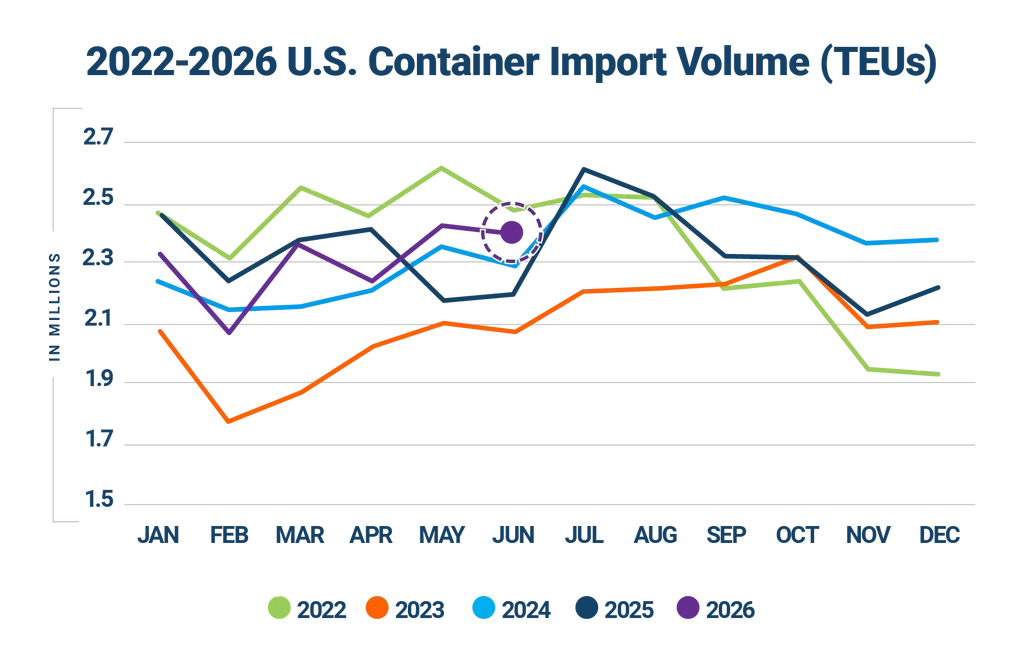
According to analysis by Descartes, U.S. containerized imports reached 2.40 million TEUs during the month, down just 1.2% from May but still 8.2% higher than June 2025. The figures suggest that import demand remains broadly stable despite a more challenging operating environment for shippers and cargo owners.
Performance varied considerably across the country’s major gateways. Los Angeles recorded the strongest monthly increase, helping the West Coast regain market share, while several East and Gulf Coast ports experienced lower import volumes. Houston posted the sharpest decline after a particularly strong May, with Savannah, Long Beach, Norfolk, Oakland and Charleston also recording month-on-month decreases.
As a result, West Coast ports increased their share of U.S. containerized imports while East and Gulf Coast gateways lost ground.
China remained the dominant source of U.S. containerized imports. Shipments from China totalled more than 814,000 TEUs in June, virtually unchanged from May but 27.4% higher than a year earlier. China accounted for almost 34% of all U.S. containerized imports during the month, underlining its continued importance despite ongoing efforts by many importers to diversify sourcing strategies.
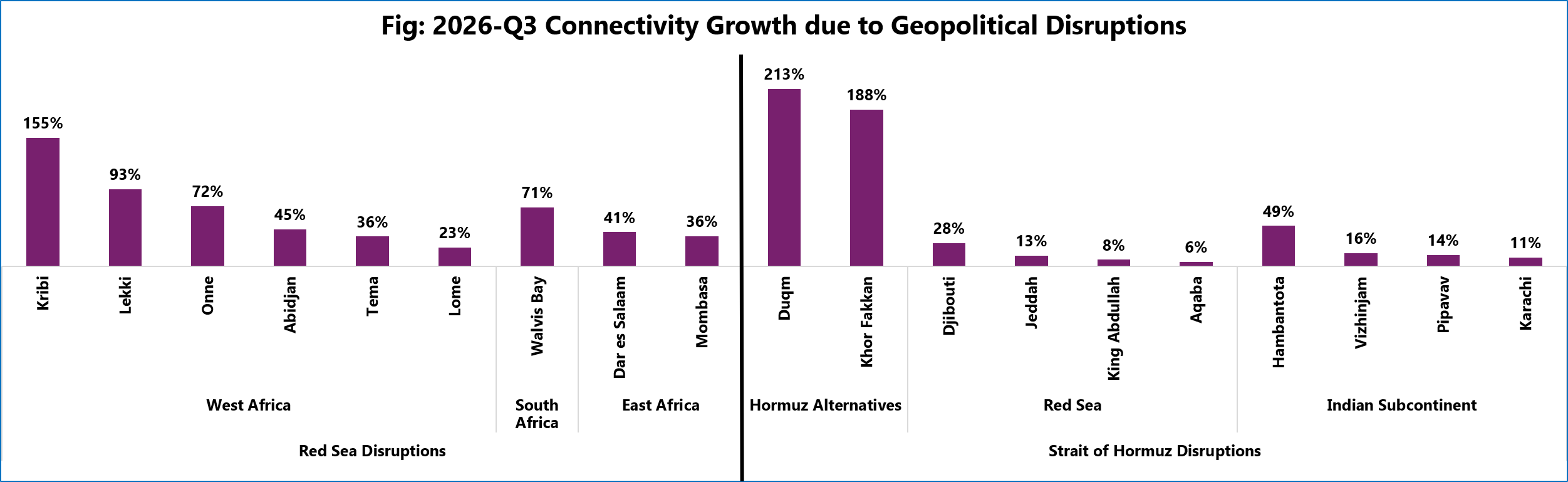
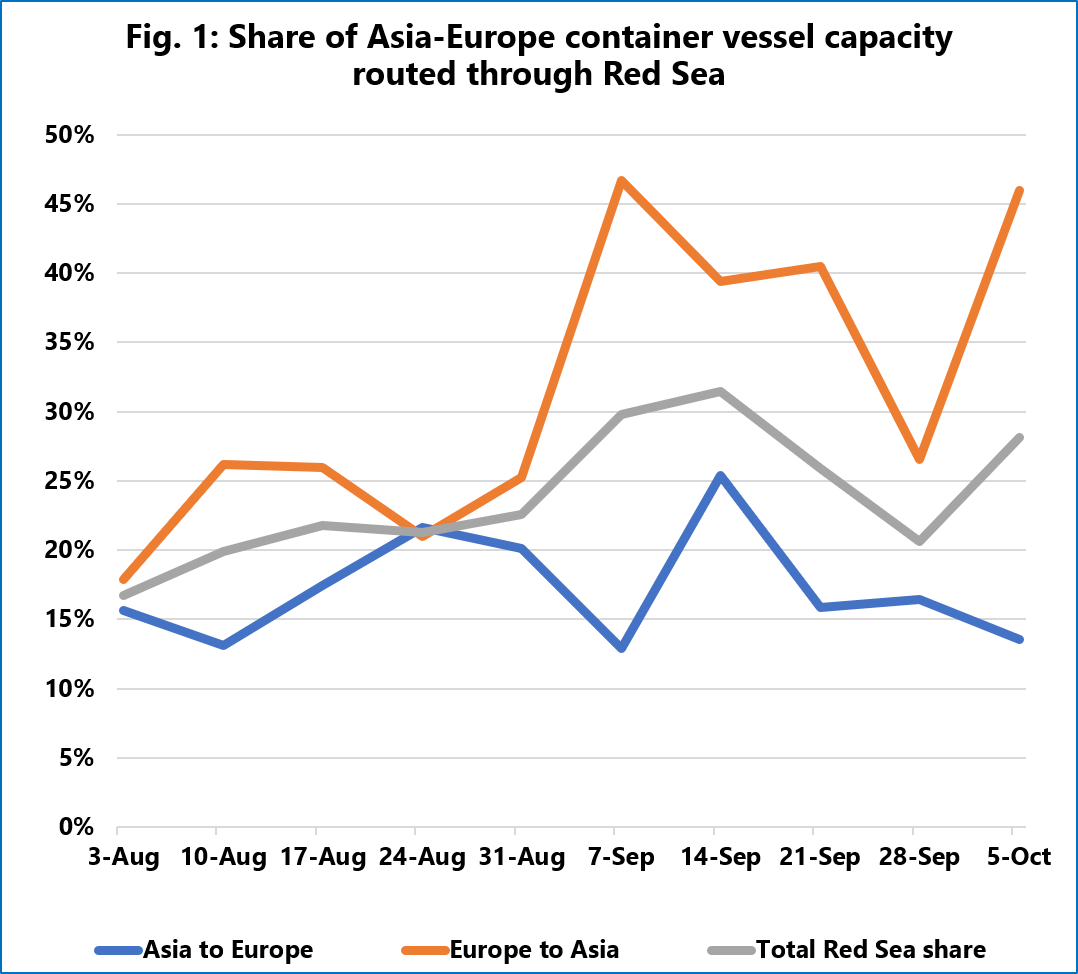
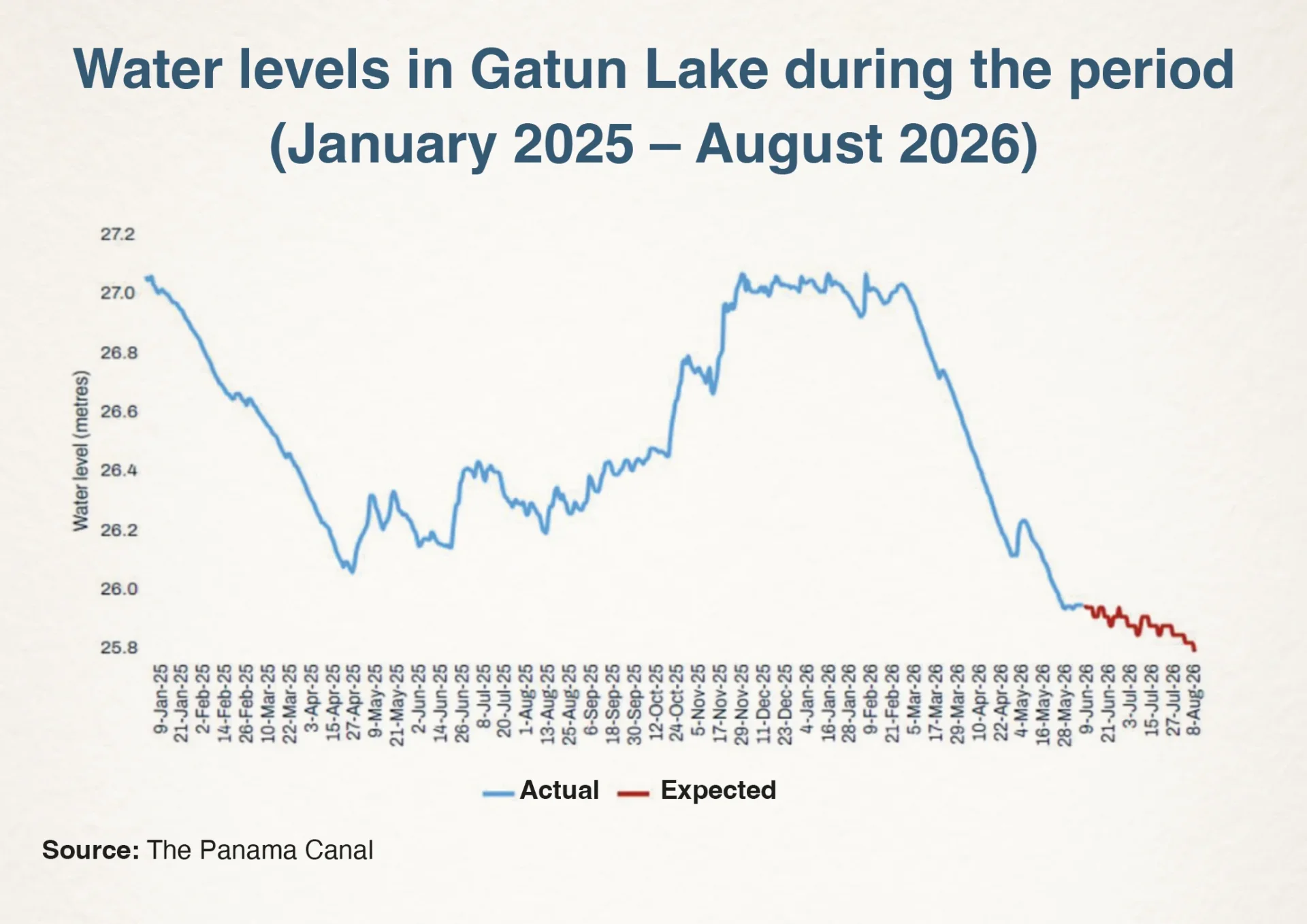
While cargo volumes have remained relatively steady, the broader trading environment continues to present significant challenges. Ongoing disruption in the Red Sea, security concerns around the Strait of Hormuz, evolving U.S. tariff policies and lower draft restrictions at the Panama Canal are all influencing freight costs, vessel routing decisions and supply chain planning.
Although none of these factors significantly disrupted June import volumes, they continue to create uncertainty for carriers, importers and logistics providers.
Transit times also reflected changing market conditions. Delays improved across most East and Gulf Coast gateways during June, while congestion increased at Los Angeles as higher cargo volumes returned to the port.
Looking ahead, maintaining supply chain flexibility and monitoring geopolitical developments are likely to remain priorities for shippers as the industry navigates the second half of 2026.
Source: Descartes, Global Shipping Report – June U.S. Containerized Imports Remain Stable Amid Global Trade Tensions, July 2026.